“C ô te d'Ivoire” search results (230)

The hometown of coffee
According to the study of the origin of coffee, it is agreed that the earliest place of origin of coffee should be Ethiopia in Africa (ancient Abyssinia), which has produced magical fruits that have affected the world to this day.
2014-08-26 Coffee knowledge hometown of coffee origin of coffee
How much do you know about the botany of coffee?
There are more than 60 kinds of coffee, but there are roughly two varieties of coffee grown commercially on a large scale, one is Arabica, accounting for about 70 percent of the world's coffee planting area, and the other is Robasta, accounting for about 30 percent of the world's coffee planting area.
2014-07-11 Coffee knowledge coffee types coffee botany coffee classification
Introduction to Cameroon Coffee
According to the National Office of Cocoa and Coffee of Cameroon (ONCC), by the end of the coffee harvest year 2012 Coffee in 2012, there was a significant decline in coffee production in Robsta and stagnation in Arabica, with a total commercial coffee production of 16142 tons, a decrease of 21985 tons compared with the previous coffee harvest of 38127 tons.
2014-05-28 Coffee knowledge Cameroon Coffee
LIFFE coffee futures fell slightly in the market with ample supply
On Friday, LIFFE- January Robusta coffee futures on the London International Financial Futures Exchange closed down $1, or 0.05%, at $2074 a tonne, on the back of abundant supply in Vietnam, the largest coffee grower. New York Arabica coffee futures rose on Friday, driven by technical buying, but cocoa futures fell, extending the longest weekly decline since the end of 2012 due to technical weakness and the largest species.
2014-11-17 Coffee news coffee futures lower
Coffee botany
There are more than 60 kinds of coffee, but there are roughly two varieties of coffee grown commercially on a large scale, one is Arabica, accounting for about 70 percent of the world's coffee planting area, and the other is Robasta, accounting for about 30 percent of the world's coffee planting area. According to our national standards, the classification of coffee is mainly divided into the following five varieties. 1. Small seed coffee, that is, Arabian species. Originated in Ethiopia
2014-08-05 Coffee knowledge Coffee Botany Coffee Encyclopedia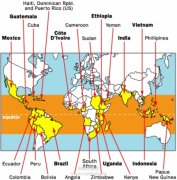
Coffee knowledge, boutique coffee, common sense coffee with Coffee Zone
There are more than 60 coffee producing countries in the world, most of which are located in the tropics and subtropics between the Tropic of Cancer (latitude 2326). This coffee growing area is called coffee belt (Coffee Belt) or coffee area (Coffee Zone). The annual average temperature of the coffee belt is above 20 ℃, because the coffee tree is a tropical plant and cannot grow normally if the temperature is below 20 ℃. Coffee species
2015-01-06 Coffee knowledge boutique common sense Zone world coffee![[coffee beans] Java coffee beans in Indonesia](https://www.coffeesearch.net/uploads/allimg/140722/1036111V0-0-lp.jpg)
[coffee beans] Java coffee beans in Indonesia
Java Coffee, whose English name is java coffee, is also translated as Java Coffee. Java coffee (java Java coffee) planting distribution Java coffee beans (coffee powder) belong to: Robasda (Robusta) varieties, mainly distributed in African countries such as C ô te d'Ivoire, Angola, Madagascar and the Philippines, Vietnam and Indonesia (Java) and other places. Java coffee growing environment
2014-07-22 Coffee beans boutique coffee beans Indian coffee beans Nicaea Java coffee beans Java coffee beans
Knowledge about coffee botany
According to the botanical description of coffee: coffee is Rubiaceae, coffee genus, perennial evergreen shrubs or small trees. There are more than 60 types of coffee classified, but there are roughly two varieties of coffee grown commercially on a large scale, one is Arabica, accounting for about 70 percent of the world's coffee planting area, and the other is Robasta, accounting for about 30 percent of the world's coffee planting area. According to our country
2014-08-29 Coffee plants coffee knowledge coffee encyclopedia
Knowledge of coffee botany.
9bf95f67gw1dzk8j7xbi4j.jpg (135.26 KB, downloads: 0) download attachment to photo album 2012-12-7 09:12 upload according to botanical description of coffee is: coffee is Rubiaceae, coffee, perennial evergreen shrubs or small trees. There are more than 60 types of coffee, but there are roughly two varieties of coffee grown on a large scale.
2014-07-23 Botanical knowledge coffee knowledge coffee culture
The hometown Origin Culture of Coffee
According to the study of the origin of coffee, it is agreed that the earliest place of origin of coffee should be Ethiopia in Africa (ancient Abyssinia), which has produced magical fruits that have affected the world to this day. The legend of the origin of coffee is generally accepted as the legend of Ethiopian shepherds. The story begins with a goat: a man named Caldy (
2016-10-10 Coffee hometown origin culture basis coffee research consensus recognition
Basic knowledge of coffee botany
According to the botanical description of coffee: coffee is Rubiaceae, coffee genus, perennial evergreen shrubs or small trees. There are more than 60 types of coffee classified, but there are roughly two varieties of coffee grown commercially on a large scale, one is Arabica, accounting for about 70 percent of the world's coffee planting area, and the other is Robasta, accounting for about 30 percent of the world's coffee planting area. According to our country
2015-04-23 Coffee botany knowledge basics common sense
International Coffee Organization
International Coffee Organization during the 19th century, coffee became an important international trade because of the large number of demand. It makes most countries earn foreign exchange from coffee export trade as a source of money income for farmers and is an important trade in most countries. Because the split led to changes in prices and product standards, it ended at a conference in New York in 1962.
2014-09-01 Coffee News International Coffee Organization Coffee producer
Boutique Coffee knowledge about Coffee Botany
According to the botanical description of coffee: coffee is Rubiaceae, coffee genus, perennial evergreen shrubs or small trees. There are more than 60 types of coffee classified, but there are roughly two varieties of coffee grown commercially on a large scale, one is Arabica, accounting for about 70 percent of the world's coffee planting area, and the other is Robasta, accounting for about 30 percent of the world's coffee planting area. According to our country
2014-10-13 Coffee knowledge boutique caffeine coffee botany
Flavor and taste of coffee manor in Indonesia Kahayang Gan Manor
The classification will be more complicated. Some Arabica coffee beans are quite close to the native species, while others are quite similar to the Robusta species. Even if the coffee has the same name (named from the place of origin), as long as the cultivated varieties are different, the flavor is different from the leaf rust-resistant varieties found in the African Congo, teaching the Arabica species to be more resistant to the disease. People like to plant Robusta
2016-07-22 Indonesia Coffee Manor producing area Flavor Taste introduction Kaha Yanggan
The hometown of coffee is Ethiopia in Africa.
According to the study of the origin of coffee, it is agreed that the earliest place of origin of coffee should be Ethiopia in Africa (ancient Abyssinia), which has produced magical fruits that have affected the world to this day. The legend of the origin of coffee is generally accepted as the legend of Ethiopian shepherds. The story begins with a goat: a man named Kal
2015-06-12 Coffee hometown Africa Ethiopia according to coffee origin research agreement
Coffee bean flavor standard latte cup capacity
Cuba Crystal Mountain Coffee-Cubita in Cuba, the cultivation of coffee is regulated by the state. The best coffee growing area in Cuba is located in the Central Mountains. Because this area not only grows coffee, but also produces quartz, crystal and other precious minerals, it is also known as Crystal Mountain. Crystal Mountain is adjacent to the Blue Mountains of Jamaica, with similar climatic conditions and taste.
2016-06-08 Coffee beans flavor standard latte cup capacity Cuba Crystal Mountain coffee -Cu
Classification of coffee by the National Standard for Coffee Botany
There are more than 60 types of coffee, but there are roughly two types of coffee grown on a commercial scale, one is Arabica, accounting for about 70% of the world's coffee planting area; one is Robasta, accounting for about 30% of the world's coffee planting area. According to the classification of coffee by China's national standards, it is mainly divided into the following five varieties. 1. Arabica coffee, i.e. Arabian species. origin
2015-01-17 coffee botany national standard classification class has variety commercial
Basic knowledge of fine coffee basic knowledge of coffee botany
According to the botanical description of coffee: coffee is Rubiaceae, coffee genus, perennial evergreen shrubs or small trees. There are more than 60 types of coffee classified, but there are roughly two varieties of coffee grown commercially on a large scale, one is Arabica, accounting for about 70 percent of the world's coffee planting area, and the other is Robasta, accounting for about 30 percent of the world's coffee planting area. According to our country
2015-03-12 Boutique coffee basics common sense botany knowledge
Outside morning review: cocoa futures hit a three-and-a-half-year high Arabica coffee futures rose sharply
New YORK / London (Reuters)-Cocoa futures jumped on Wednesday, returning to a three-and-a-half-year high on fears that the spread of Ebola in West Africa could drag down exports from the world's largest cocoa-producing region. ICE Arabica coffee futures jumped nearly 5%, helped by technical buy signals and weather forecasts showing that Brazil, the largest grower of coffee beans, was close.
2014-09-25 Coffee news coffee futures coffee prices
Name of the producing country of the International Coffee Organization
International Coffee Organization during the 19th century, coffee became an important international trade because of the large number of demand. It makes most countries earn foreign exchange from coffee export trade as a source of money income for farmers and is an important trade in most countries. Because the split led to changes in prices and product standards, it ended at a conference in New York in 1962.
2014-06-05 Coffee production country name